

Why Routine Pest Control Prevents Costly Damage
Many homeowners think of pest control as a reaction to a visible problem, but the most effective approach is prevention. Routine pest control plays a critical role in protecting a property from hidden damage that can develop quietly over time. By addressing pest activity early and consistently, homeowners can avoid expensive repairs and preserve the long-term value of their homes.
Pests Often Cause Damage Before You See Them
One of the biggest risks with pests is that they often work out of sight. Insects and rodents can nest inside walls, attics, crawl spaces, and foundations, causing damage long before obvious signs appear. By the time homeowners notice issues such as droppings, noise, or visible insects, structural damage may already be underway.
Routine pest control inspections help identify early indicators of activity, such as entry points, moisture issues, or subtle material damage. Catching these warning signs early allows problems to be addressed before they escalate into major repairs.
Protecting Structural Components
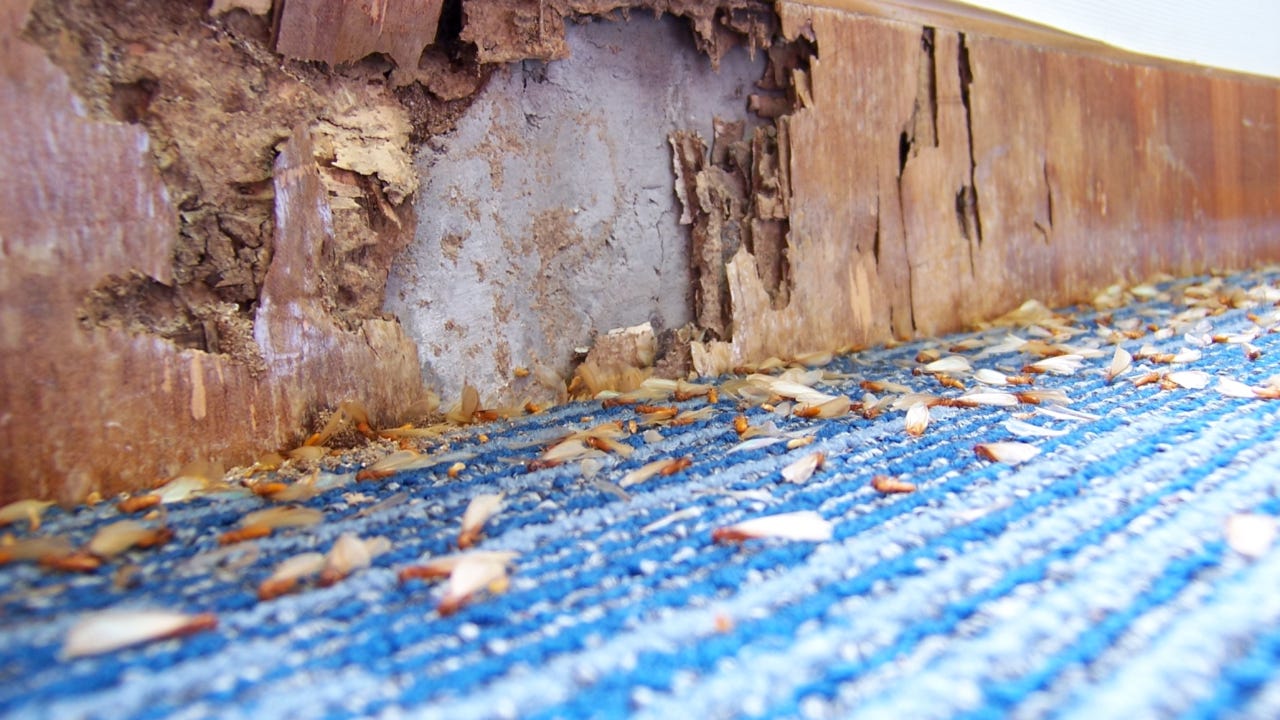
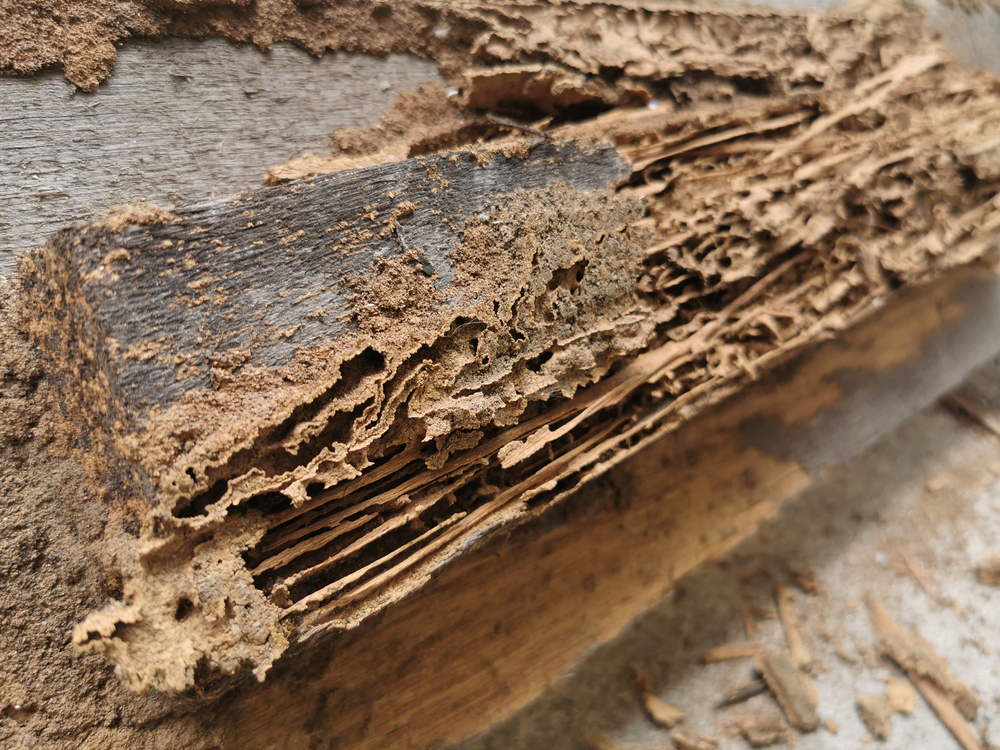
Some pests directly target the structural elements of a home. Wood-destroying insects feed on framing, beams, and flooring, weakening the integrity of the structure over time. Without ongoing prevention, this damage can compromise safety and require costly reconstruction.
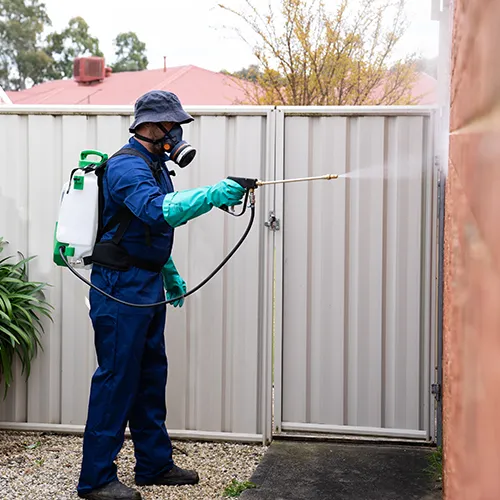
Regular pest control programs often include monitoring and preventive treatments that protect vulnerable areas of the home. Services such as termite control are especially important because termites can cause extensive structural damage while remaining undetected for years. Without professional termite control, infestations can spread silently through walls, flooring, and support beams. Routine protection helps ensure that these destructive pests never gain a foothold.
Preventing Secondary Damage
Pest damage is not limited to what pests consume or chew. Rodents, for example, often gnaw on electrical wiring, increasing the risk of fire. Moisture-loving insects can worsen mold and rot by exploiting damp areas, sometimes making mold removal necessary to restore a safe environment. Insects nesting in insulation can reduce its effectiveness, driving up energy costs.
Routine pest control reduces the likelihood of these secondary issues by stopping infestations before they spread. Preventive treatments help maintain the performance of insulation, electrical systems, and building materials.
Saving Money Through Prevention
Emergency pest treatments and structural repairs are far more expensive than routine maintenance. When infestations are allowed to grow, homeowners may face costs related to damaged wood, contaminated insulation, wiring replacement, or interior restoration.
Routine pest control spreads costs predictably over time and significantly lowers the risk of large, unexpected expenses. Preventive care is one of the most cost-effective strategies for protecting a home and avoiding financial strain.
Supporting Property Value and Inspections
Homes with a history of pest issues often face challenges during inspections and resale. Evidence of past infestations or untreated damage can reduce buyer confidence and lead to lower offers or repair demands.
Routine pest control demonstrates responsible homeownership. Documentation of ongoing prevention reassures buyers that the property has been protected, maintained, and monitored regularly, helping preserve market value.
A Smart Investment in Home Protection
Routine pest control is not just about eliminating nuisances—it is about protecting a home from long-term, costly damage. Through early detection, structural protection, and preventive treatments, homeowners can avoid repairs that far exceed the cost of regular service.
By investing in consistent pest control, families safeguard their property, reduce risks, and maintain peace of mind knowing their home is protected year-round.